How is heavy melting scrap transported?
Heavy Melting Scrap (HMS) is a crucial material in industries such as steel manufacturing and metal recycling. It is often used as a primary raw material in the production of new steel and other metal products. Due to its widespread use and significant demand, the transportation of heavy melting scrap plays an important role in ensuring that it reaches the right facilities for recycling and processing. Understanding how this heavy material is transported can help businesses and suppliers navigate the logistics involved in sourcing and shipping scrap metal efficiently.
1. Bulk Transportation of Heavy Melting Scrap
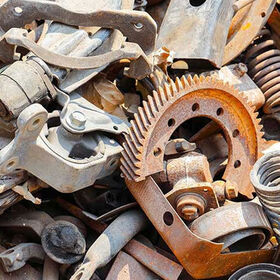
heavy melting scrap typically consists of large, heavy metal components, including steel plates, structural beams, industrial machinery, and various other scrap metal materials. Due to the substantial weight and size of HMS, transporting it in bulk is a common practice. In most cases, HMS is measured and sold by the ton, so shipping needs to account for large quantities of metal.
The primary method for transporting heavy melting scrap in bulk is by truck, rail, or sea freight. Each of these transportation methods has its own advantages, depending on the distance, volume of scrap, and specific requirements of the buyer or seller.
-
Truck Transport: For shorter distances or shipments within a specific region, truck transport is commonly used. Trucks equipped with flatbeds or specialized containers are loaded with scrap metal and can transport it to recycling plants, steel mills, or ports. Trucks are especially useful for delivering heavy melting scrap from local scrap yards to larger processing facilities.
-
Rail Transport: For larger shipments over longer distances, rail transport is often preferred. Trains can carry large quantities of heavy melting scrap, making it an ideal choice for transporting HMS between regions or across countries. Railcars designed specifically for heavy cargo can efficiently carry bulk scrap metal, and the cost per ton can be lower than truck transport, especially for long-haul shipments.
-
Sea Freight: When heavy melting scrap is being exported or imported across oceans, sea freight is the most common and economical method. Large shipping containers or bulk carriers are used to transport scrap metal across international waters. Sea freight offers significant capacity, which is essential for transporting large amounts of scrap metal at once. This method is commonly used for global trade, with major shipping routes linking countries like China, India, Korea, and others to international markets.
2. Specialized Equipment for Transporting Heavy Melting Scrap
Transporting heavy melting scrap requires specialized equipment to handle its weight and ensure that the metal is safely loaded, transported, and unloaded. In some cases, scrap metal may be loaded directly onto trucks or railcars using cranes, forklifts, or hydraulic systems. The equipment used varies depending on the type of scrap being transported and the facilities available.
-
Cranes: Large cranes are often used to lift heavy metal scrap onto shipping containers, trucks, or railcars. Cranes provide the strength and precision needed to handle heavy and bulky metal components, such as steel beams or industrial machinery parts.
-
Forklifts and Hydraulic Lifts: For smaller pieces of scrap or when loading containers in a scrapyard or processing facility, forklifts and hydraulic lifts are often used. These machines help move heavy melting scrap from the ground to the transport vehicles.
-
Flatbed Trucks and Containers: For overland transport, flatbed trucks are commonly used to carry scrap metal. These trucks are equipped with heavy-duty beds that can handle large, irregularly shaped pieces of scrap. Shipping containers may also be used to secure the material, making it easier to load onto ships or trains for longer-distance travel.
3. Exporting Heavy Melting Scrap
As heavy melting scrap is in high demand globally, it is frequently exported to countries where recycling and manufacturing industries rely on scrap metal to produce new products. Exporting heavy melting scrap involves specific logistics processes to ensure that the material arrives safely and on time.
For example, many businesses use B2B platforms such as Global Sources to connect with international suppliers of heavy melting scrap. This platform simplifies the process by offering a comprehensive list of scrap metal products from verified wholesalers and manufacturers in countries like China, India, and Korea. Once the supplier and buyer have agreed on the terms of the deal, the next step is organizing the transportation.
The exportation process generally involves securing shipping containers, documentation for customs, and coordinating with freight forwarders to handle the shipment. If the scrap is being shipped internationally, sea freight is typically the most economical option. In some cases, air freight may be used for smaller, more urgent shipments, but this is less common due to the high cost of air transportation.
4. Packaging and Safety Considerations
When transporting heavy melting scrap, proper packaging and safety measures are essential to ensure the safety of the cargo and prevent damage during transit. In many cases, the scrap is either bundled or compacted to make it easier to handle and secure during transport. Packaging may also include protective covers or securement methods to prevent sharp edges or hazardous materials from causing harm during handling.
In addition to packaging, transporters need to ensure that the heavy melting scrap is labeled correctly for customs and safety regulations. Some regions may require certification of the scrap’s quality or need documentation about any contaminants in the material, especially if the scrap metal contains hazardous substances like oil, paint, or chemicals.
5. The Role of Technology in Transporting Heavy Melting Scrap
Advances in technology have also played a significant role in optimizing the transport of heavy melting scrap. Today, businesses can track shipments using GPS systems, allowing them to monitor the movement of scrap metal in real-time. This technology ensures that any delays or issues are addressed promptly, improving the efficiency of the overall transportation process.
Conclusion
The transportation of heavy melting scrap involves several methods, including truck, rail, and sea freight. Each of these transportation modes plays a crucial role in delivering scrap metal to its intended destination, whether for local recycling or global export. Specialized equipment and safety measures ensure that the scrap is handled properly during transit, minimizing the risk of damage and improving efficiency. B2B platforms like Global Sources provide an easy way for buyers and sellers to connect, allowing businesses to navigate the complexities of shipping heavy melting scrap, whether within a region or across international borders.